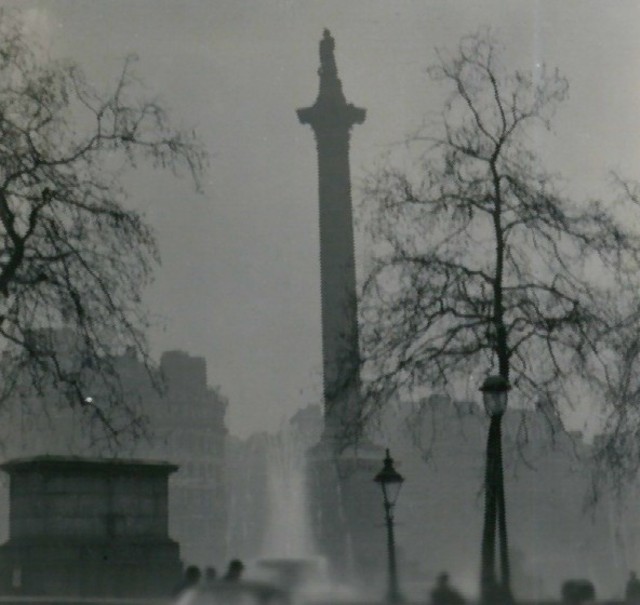
The History of London Fog: From Baltimore Suits to Iconic Raincoats
The name
London Fog evokes images of misty British streets, sophisticated trench coats, and timeless style. Yet, surprisingly, this iconic American brand didn't originate amidst the fog-laden alleys of England, but rather in the bustling industrial heart of Baltimore, Maryland. Its remarkable journey from a humble local apparel manufacturer specializing in men's suits to a global powerhouse that redefined outerwear is a testament to innovation, strategic pivoting, and an unwavering commitment to quality. The story of London Fog is not just about raincoats; it's about pioneering fabric technology, democratizing fashion, and adapting through economic storms.
From Baltimore Tailors to Waterproof Wonders: The Genesis of London Fog
The roots of what would become the
London Fog empire can be traced back to 1922 with the establishment of the Londontown Clothing Company in Baltimore. This initial venture focused on traditional men's tailored items – fine suits, topcoats, and general outerwear, catering to a discerning clientele. However, the true turning point arrived in 1931 when Israel Myers acquired the assets of this company, rebranding it as Londontown Manufacturing Company, Inc. Myers, a visionary entrepreneur, initially continued the legacy of tailored men's wear, but his keen eye for market shifts would soon steer the company into an entirely new direction.
World War II proved to be the unlikely catalyst for this transformation. With a critical need for durable, functional apparel, the U.S. Navy contracted Londontown to produce rubber-based waterproof coats for its personnel. This experience provided invaluable insights into the science of weather protection and mass production. Post-war, Myers didn't revert to just suits. Instead, he channeled this newfound expertise into civilian wear, recognizing a burgeoning demand for practical yet stylish rainwear. This ambition led to groundbreaking collaborations with chemical giants like DuPont and textile innovators Reeves Brothers. Together, they developed revolutionary water-repellent cotton-Dacron fabrics – a blend that offered superior durability, lighter weight, and resistance to wrinkles, a significant leap forward from the heavy, often restrictive raincoats of the past.
The 1954 Breakthrough: How London Fog Redefined Rainwear Fashion
The culmination of these efforts arrived in 1954 with the launch of the landmark
London Fog line of men's raincoats. Styled with an undeniable nod to the classic World War I trench coat – a design synonymous with practicality and elegance – these coats were a revelation. Priced at a then-accessible $29.75, they boasted an unprecedented "wash-and-wear" convenience, a concept that perfectly aligned with the burgeoning post-war consumer culture seeking efficiency without sacrificing style. The immediate success was staggering: the entire first collection sold out almost instantly at Saks Fifth Avenue, signaling a seismic shift in how rainwear was perceived.
The
London Fog coat wasn't just a utilitarian item; it was a fashion statement, effortlessly blending functionality with sophistication. Its success transcended gender lines swiftly, leading to an expansion into women's designs by 1955. Throughout the 1960s, Londontown continued to innovate, cementing its dominance. Key advancements included the introduction of versatile removable liners, a patented button-retention process ensuring longevity, and advanced moisture barrier technologies. By 1975, the brand's ubiquitous presence was undeniable, with
London Fog labeling two-thirds of all mid-priced raincoats sold in the U.S. This era marked a profound change in the American wardrobe, making fashionable, practical rainwear accessible to the masses. For a deeper dive into this transformative period, explore
How London Fog Revolutionized Rainwear and Dominated the Market.
Manufacturing Excellence and Market Dominance: The Golden Age
Londontown Manufacturing Company's ascendancy was underpinned by its robust operational capabilities and strategic growth. A cornerstone of its production was the historic Meadow Mill in Baltimore's picturesque Jones Falls Valley. Acquired in 1960, this magnificent facility, originally built in 1877 for textile manufacturing, became the heart of
London Fog raincoat production. By 1978, it employed up to 600 skilled workers, meticulously crafting garments from the proprietary polyester-cotton blends that defined the brand's quality. The mill itself was recognized for its architectural significance, listed on the National Register of Historic Places in 1973, reflecting the brand's deep roots in American industrial heritage.
Under the astute leadership of Israel Myers and later his son Jonathan, the company embarked on an ambitious expansion. It went public in 1961, achieving a coveted listing on the New York Stock Exchange by 1966, a testament to its financial strength and market confidence. Growth was further fueled by strategic acquisitions, including Star Sportswear in the 1970s and Milford Sportswear in 1985. By 1987, Londontown had reached its zenith, employing 3,000 individuals across six U.S. plants and proudly holding the title of the world's largest raincoat manufacturer. The brand also diversified its portfolio, venturing into accessories, licensing its name for various apparel lines, and introducing lower-priced sub-brands such as Clipper Mist and London Towne, ensuring market penetration across different consumer segments.
Navigating Stormy Weather: Challenges, Transformations, and Legacy
Even global leaders face headwinds, and
London Fog was no exception. Despite its overwhelming success, the late 1960s saw initial sales drops, hinting at evolving market dynamics. In 1976, Interco Inc. acquired Londontown for a substantial $33.3 million. This marked the beginning of a new era, characterized by a series of corporate restructurings, leveraged buyouts, and ultimately, challenging bankruptcies, including a significant filing in 1999.
The economic landscape shifted dramatically in the late 20th century, with rising domestic production costs and increasing global competition. This forced Londontown to make difficult decisions, leading to a gradual shift of production overseas. The closure of its last U.S. factory in 1997 symbolized the end of an era for American textile manufacturing. The company, evolving into London Fog Industries, Inc., pivoted its strategy, focusing heavily on global licensing and retail partnerships rather than direct manufacturing.
After shedding over $100 million in debt, London Fog Industries emerged from its 1999 bankruptcy in 2001, leaner and refocused. In 2006, the iconic brand was acquired by Iconix Brand Group, solidifying its future as a licensed apparel brand that leverages its powerful heritage and recognizable name. Despite these transformations, and sales figures around $335 million in the late 1990s, the enduring legacy of Londontown and its pioneering
London Fog brand remains undisputed. It successfully transformed the humble raincoat from a purely utilitarian garment into a stylish, essential wardrobe item. To understand how the brand adapted to these monumental changes, read more in
London Fog's Journey: From U.S. Manufacturing Giant to Global Licensed Brand.
The Enduring Appeal of London Fog
The journey of
London Fog is a compelling narrative of American innovation, resilience, and adaptability. From its humble origins producing men's suits in Baltimore to becoming the world's largest raincoat manufacturer and, eventually, a globally licensed brand, its impact on fashion and outerwear is indelible. The brand didn't just sell raincoats; it sold confidence, convenience, and a touch of timeless elegance. Even today, a classic
London Fog trench coat remains a coveted item, a testament to its enduring design, quality, and the rich history woven into every seam. It stands as a powerful reminder that true style, like innovation, can weather any storm.